
Whale Watching in the Dominican Republic: An Unforgettable Marine Adventure
The Dominican Republic offers one of the Caribbean's most spectacular natural phenomena: the annual migration of humpback whales. Every winter, these magnificent marine creatures travel over 3,000 miles from the Arctic to the warm waters around Hispaniola Island to breed and give birth. If you're planning a Dominican vacation, whale watching is an experience that will stay with you forever.
When to Experience Whale Watching in the Dominican Republic
Humpback whales visit Dominican waters from mid-January to mid-March. The peak season falls between February and early March, when the most whales are present and activity is at its highest. However, you might spot them from late December through April.
The reason for this timing is simple: these whales need warm water for reproduction and to nurture their calves before the long journey back north. The Dominican Republic's protected bays and shallow waters make it the perfect nursery and breeding ground.
Best Destinations for Whale Watching
Samaná Bay
The crown jewel of Dominican whale watching. This stunning bay is home to over 1,500 humpback whales during peak season and is recognized as one of the world's top 10 whale-watching destinations.
- Why it's special: Shallow waters (40-50 feet) make whale interactions closer and more frequent
- Best towns to base from: Santa Bárbara de Samaná, Las Galeras, Sánchez
- Tour duration: 3-4 hours
- Best time: February-March
Puerto Plata
Located on the north coast, this region offers excellent whale-watching opportunities with fewer crowds than Samaná.
- Access: Puerto Plata cruise port and nearby Cofresí Beach
- Activity: Whales are visible from shore and nearby boats
- Perfect for: Those combining beach relaxation with wildlife viewing
Monte Plata
The lagoon area near Monte Plata provides another accessible whale-watching spot, with tours departing from nearby towns.
What to Expect on a Whale-Watching Tour
A typical whale-watching expedition is both exhilarating and humbling:
- Early Morning Departure: Tours typically leave at sunrise (6-7 AM) when whales are most active
- The Search: Guides use binoculars and local knowledge to spot blowholes and flukes
- The Encounter: When a whale is spotted, the boat approaches slowly and quietly to avoid disturbing the animals
- The Magic: Watch as these 40-ton giants breach, slap their tails, and interact with calves
- Professional Narration: Guides share fascinating facts about behavior, migration, and conservation
What you'll see:
- Breaches (whales launching out of water)
- Tail slaps and fin waves
- Mother whales with nursing calves
- Acrobatic displays during mating season
Tips for an Ethical and Responsible Whale Encounter
Follow the Code of Conduct
- Maintain a minimum distance of 300 feet from whales
- Never pursue or chase a whale
- Keep engine noise low
- Limit viewing time to 30 minutes per whale
- Refrain from using flash photography
Choose Responsible Tour Operators
Look for operators who:
- Hold certification from whale-watching associations
- Train guides in marine biology and conservation
- Contribute a portion of profits to whale protection
- Prioritize whale welfare over tourist convenience
- Use proper equipment and maintain excellent safety standards
Prepare Yourself
- Bring seasickness medication if prone to motion sickness
- Wear layers: Ocean breezes are cool, sun is intense
- Apply waterproof sunscreen generously
- Bring a camera with a good zoom lens (avoid flash)
- Expect to get wet on closer encounters
- Start hydrated with plenty of water
Conservation & Why Whale Watching Matters
Humpback whales were hunted to near extinction—from 125,000 to just 5,000 by the 1960s. Thanks to a global moratorium on commercial whaling and dedicated conservation efforts, their population has rebounded to over 30,000 today.
The Dominican difference: Whale watching generates significant ecotourism revenue that funds:
- Marine protected area management
- Research and monitoring programs
- Education initiatives for local communities
- Sustainable livelihoods for tour operators and boat crews
When you book a whale-watching tour in the Dominican Republic, your money directly supports whale protection and marine conservation.
Planning Your Whale-Watching Trip
Best Duration
Allow 5-7 days in the Samaná region to maximize your chances:
- 2-3 whale-watching tours (weather permitting)
- Snorkeling in protected reefs
- Beach relaxation in Las Galeras or Samaná town
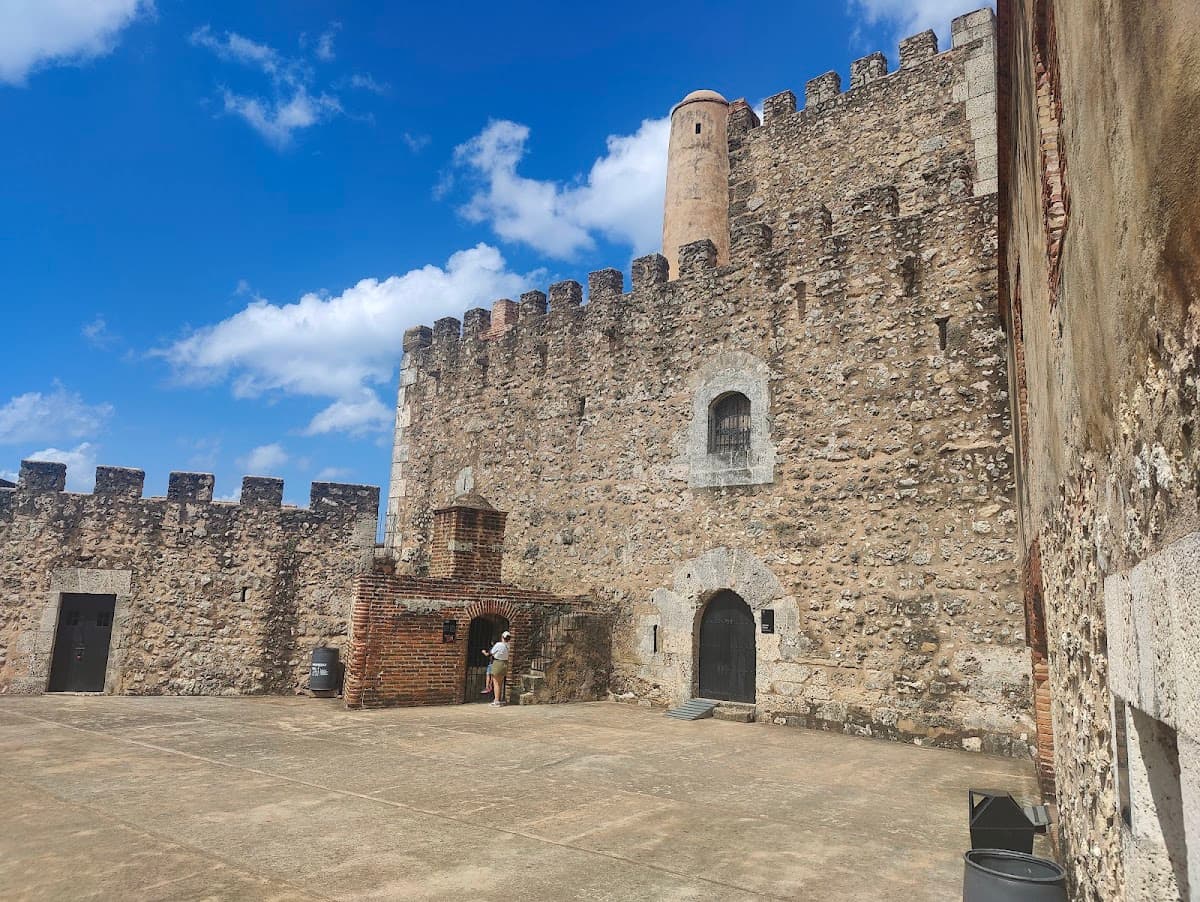
- Cultural exploration of colonial heritage
What to Pack
- Waterproof camera or GoPro
- Telephoto lens (200mm+)
- Light rain jacket
- Comfortable boat shoes
- Binoculars
- Journal to document sightings
Budget Estimate (per person)
- Whale-watching tour: $50–$80 USD
- Accommodation: $60–$200 USD/night depending on comfort level
- Meals: $10–$30 USD/day
- Activities & transportation: $30–$100 USD/day
Combining Whale Watching with Other Dominican Adventures
The Samaná Peninsula offers far more than whales:
- Limon Cay: Pristine island with wild horses and snorkeling
- Los Haitises National Park: Mangroves, caves, and Taíno heritage sites
- Playa Grande: One of the Caribbean's best-kept-secret beaches
- Cascada Salto El Limón: A stunning waterfall trek
- Galeras Beach: Perfect for relaxation between tours
Common Questions About Whale Watching in the DR
Are whales dangerous? No. Humpback whales are gentle giants. Attacks on humans are virtually unheard of. They're naturally curious and may approach your boat, but tour operators maintain safe distances.
Can I swim with whales? Swimming with whales is not allowed in Dominican waters (nor is it in most whale-watching destinations). This protects both humans and whales. The view from the boat is stunning and entirely safe.
What if we don't see whales? During peak season (February-March), sighting rates exceed 90%. If your tour doesn't encounter whales, most operators offer a discount or free return tour.
Is it expensive? Whale-watching tours are reasonably priced ($50–$80) and offer exceptional value. You're investing in a once-in-a-lifetime experience and marine conservation.
Can I go with young children? Yes, but children under 5 may struggle with early starts and boat motion. Tours are generally suitable for ages 5+.
Final Thoughts: A Humbling Connection to Nature
Standing on a boat in Samaná Bay, watching a 40-ton humpback whale breach just meters away, you'll understand why this experience captivates people from around the world. It's not just about the whales—it's about witnessing wild nature in its purest form, understanding our role in protecting it, and creating memories that will inspire a lifetime of ocean stewardship.
The Dominican Republic's whales aren't just spectacular attractions; they're ambassadors for marine conservation and living proof that humans and nature can coexist respectfully. Come see them for yourself.
Ready to plan your whale-watching adventure? Book your Samaná Bay tour today and join thousands of travelers who've had their lives changed by these magnificent creatures.
Planifica tu viaje a República Dominicana
Tours, traslados y excursiones con operadores locales verificados. Cancelación gratis.