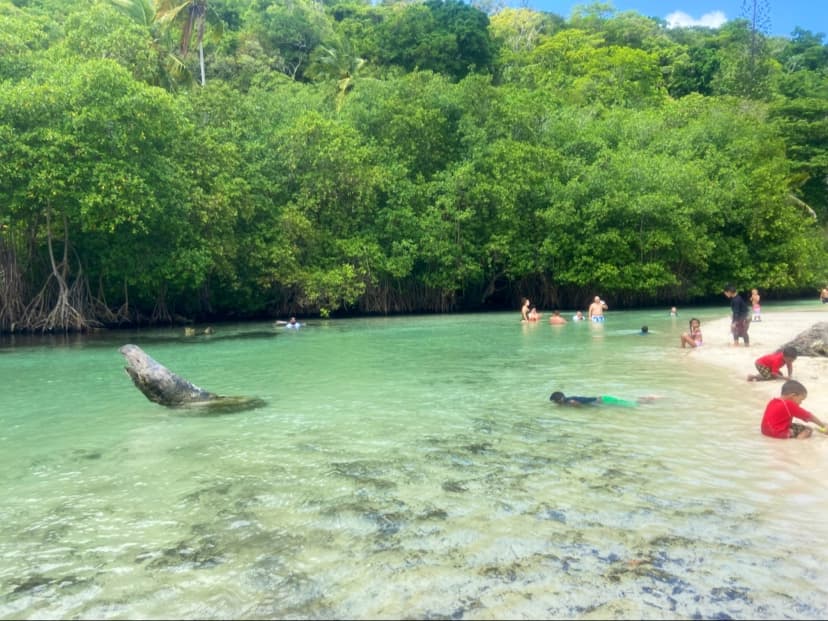
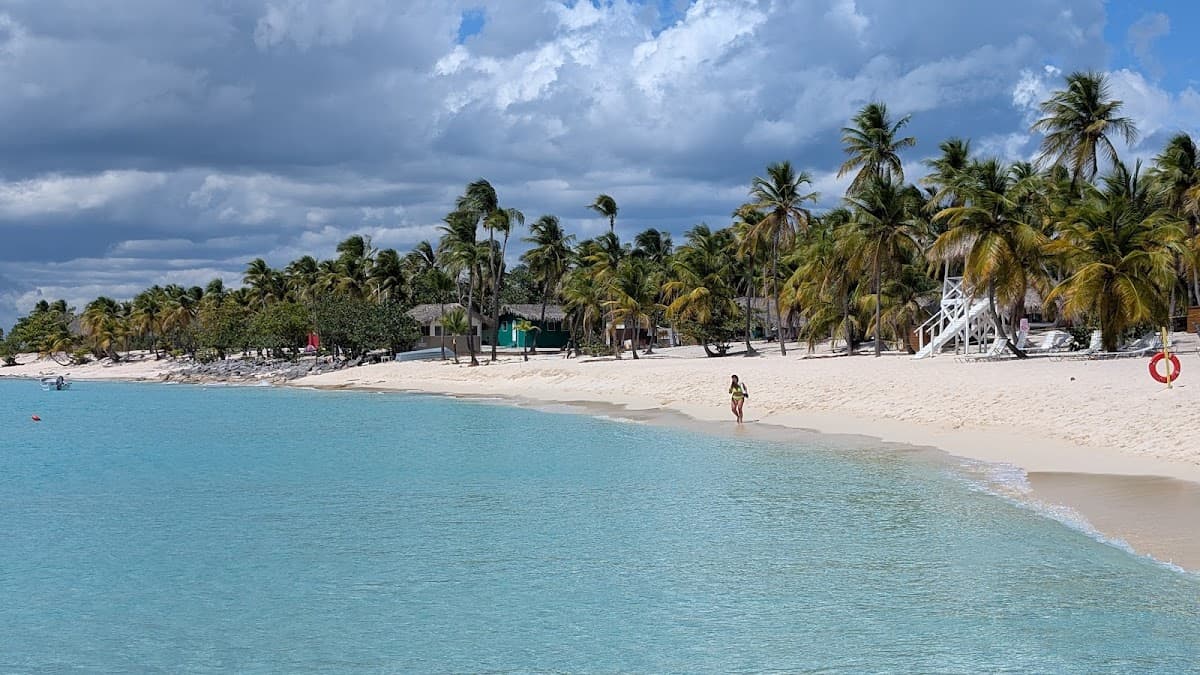

About Isla Catalina
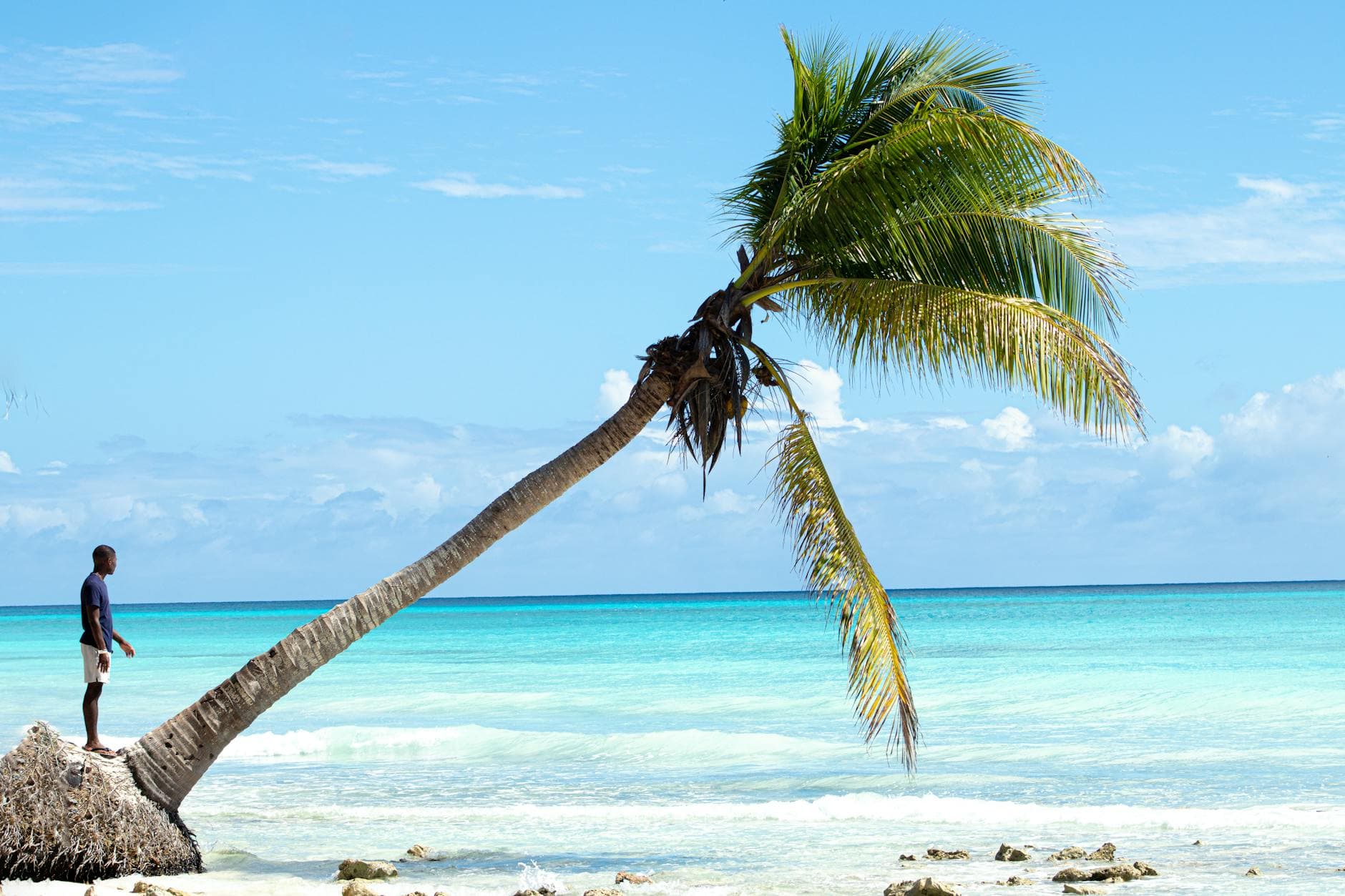
A 9 km² island with two diving walls. Daily excursion from La Romana and Bayahibe.
While Isla Catalina does not have documented colonial history, its name honors fishermen who used it as a temporary shelter in the 19th century. In the 1970s, the island became a landmark for pioneering divers who discovered its coral walls, driving diving tourism. Today, locals value it as a space for sustainable recreation: camping is permitted, marine life is protected, and the tradition of artisanal fishing is celebrated. The Bayahibe community maintains the custom of organizing group outings, keeping the island connected to its roots while welcoming tourists.
Quick answer: Isla Catalina is an island located in La Romana, Dominican Republic. It's ideal for tourists seeking an authentic and memorable experience. Access is relatively straightforward and it can be visited year-round.
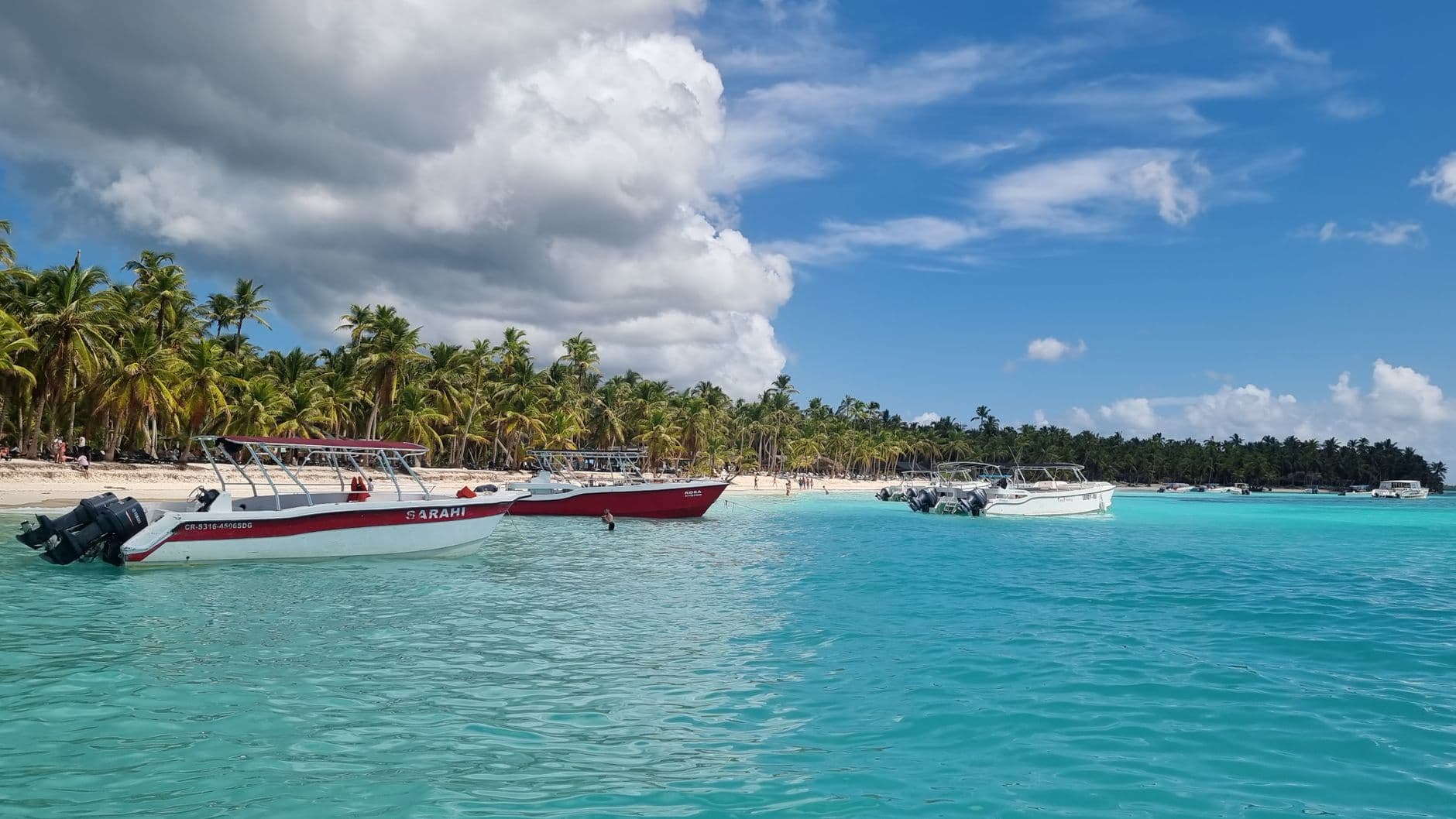
What to Do at Isla Catalina
Visiting Isla Catalina offers a wide variety of activities for all tastes and ages:
- Exploration and guided tours: Hire a local guide to make the most of your visit and discover lesser-known spots.
- Photography and contemplation: Isla Catalina's landscapes are perfect for photography, especially during the golden hours of sunrise and sunset.
- Local cuisine: Within minutes you'll find typical restaurants serving authentic Dominican food: mangú, tostones, fresh seafood, and sancocho.
- Craft shopping: Nearby markets offer larimar, amber, and handmade jewelry at reasonable prices if you negotiate politely.
- Outdoor activities: Depending on the season, you can enjoy hiking, swimming, or simply relax in nature.
Quick answer: At Isla Catalina you can enjoy guided tours, authentic food, landscape photography, and local crafts. Best experience if you arrive early to avoid crowds.
How to Get to Isla Catalina
Getting to Isla Catalina from the main cities in Dominican Republic is easier than you think:
From Santo Domingo: The most common route is to take the highway toward La Romana. Travel time is between 1 and 3 hours depending on traffic. You can rent a car, take a long-distance bus (guagua expreso), or hire a private transfer.
From the nearest airport: Check available transfers at mydominicantrip.com where you'll find reliable transfers with fixed rates from the country's main airports.
Local transportation: Once in La Romana, motoconcho and taxi are the fastest options to reach Isla Catalina directly. Always negotiate the price before boarding.
Quick answer: For Isla Catalina in La Romana, a private transfer from the airport or express bus from Santo Domingo are the most practical options. Travel time ranges from 1 to 4 hours depending on your starting point.
Local Tips for Your Visit
These tips come from travelers who've already visited Isla Catalina:
- Arrive early. The best times to visit Isla Catalina are between 7 am and 10 am, when there are still no crowds and the light is perfect for photos.
- Bring cash. Many local businesses don't accept credit cards. Bring Dominican pesos for food, tips, and local transportation.
- Sunscreen and water. The Caribbean sun is intense year-round. Use SPF 50+ sunscreen, wear a hat, and stay hydrated.
- Respect the environment. Don't leave trash, don't collect natural souvenirs (coral, shells, plants), and always follow park ranger instructions if applicable.
- Hire local guides. Community guides know the place better than anyone and your money directly supports local families.
- Check hours before you go. Operating hours may change during low season, national holidays, or due to weather conditions.
Frequently Asked Questions About Isla Catalina
How much does admission to Isla Catalina cost? Entrance fees vary and may include park or natural area charges if applicable. We recommend verifying the current price directly with local authorities or your tour operator before visiting.
What is the best time to visit Isla Catalina in La Romana? Dominican Republic has a tropical climate year-round, so Isla Catalina can be visited any month. High season runs from December to April (less rain). To avoid crowds, visit in May-June or September-October, keeping in mind hurricane season (August-October).
Is it safe to visit Isla Catalina? Generally, La Romana is a safe tourist area. As with any destination, keep your belongings secure, don't display valuables excessively, and prefer transportation from recognized operators or those recommended by your accommodation.
Are there accommodation options near Isla Catalina? Yes, La Romana offers options for all budgets: from all-inclusive resorts to boutique hostels and vacation rental homes. Book in advance during high season (December-January, Holy Week).
What should I bring when visiting Isla Catalina? Essentials: SPF 50+ sunscreen, insect repellent, water (minimum 1.5 L), comfortable and light clothing, Dominican pesos in cash, and closed-toe shoes if hiking. A camera or phone with good battery to capture the scenery.
Can I visit Isla Catalina with children? Yes, Isla Catalina is family-friendly. However, check with your local guide about the difficulty level of activities and ensure children are well-hydrated and protected from the sun.
Is there Wi-Fi or cell signal at Isla Catalina? Coverage varies by operator. Claro and Altice have better coverage in rural areas. For remote areas, download offline maps (Google Maps / Maps.me) before you leave.
How much time should I plan for the visit? A standard visit to Isla Catalina takes between 2 and 4 hours. If you want to enjoy leisurely, eat at the location, and explore the surroundings, plan for a half day (4-6 hours).
This guide is informational and does not constitute professional advice. Verify hours and prices before your visit.
Reserva tu experiencia en La Romana
Tours, traslados y excursiones con operadores locales verificados. Cancelación gratis.