
Chimi Guisado: The Soul of Dominican Street Food
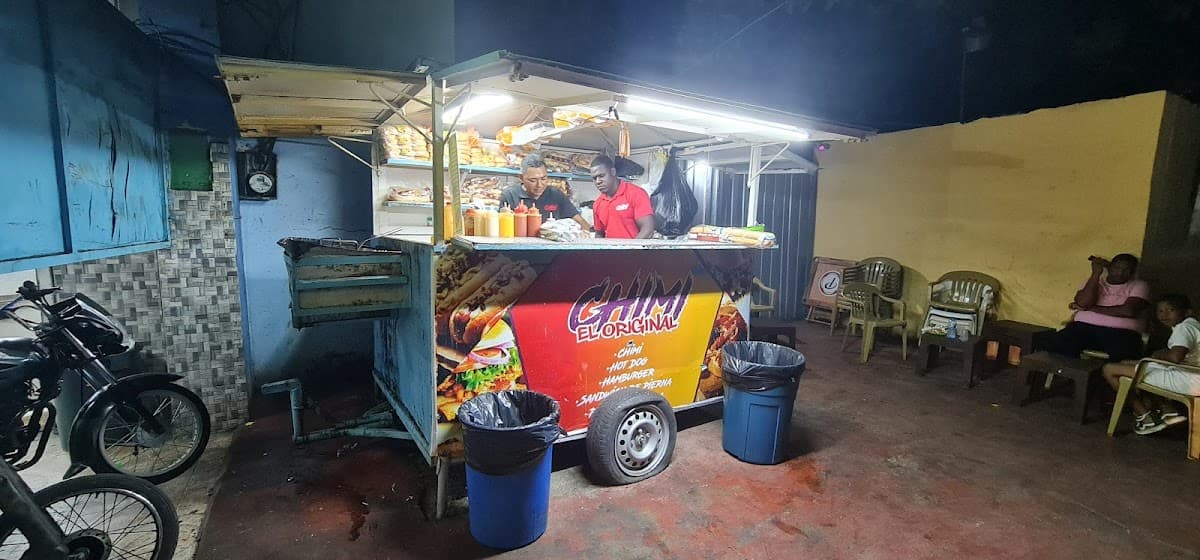
When you walk the streets of Santo Domingo, Santiago, or any Dominican city on a Friday night or lazy Sunday morning, one aroma cuts through the tropical air like nothing else—the smoky, savory scent of chimi guisado sizzling on a street vendor's griddle.
This isn't just fast food. Chimi guisado is a cultural institution. It's the sandwich that brings together Dominican history, tradition, and community in every bite.
What Exactly Is Chimi Guisado?
At its core, chimi guisado is a grilled cheese sandwich filled with Dominican-seasoned ground meat (usually beef), fresh vegetables, and a generous pour of melted cheese. But the magic is in the execution—the bread must be perfectly toasted, the meat seasoned just right, and the cheese? It needs to be gooey and abundant.
The name breaks down simply: chimi (short for chimichurri, the Dominican seasoning), and guisado (which means stewed or cooked). Though unlike Argentine chimichurri sauce, Dominican chimi is more about the spiced meat than a condiment.
The History Behind the Icon
Chimi guisado didn't appear overnight. It evolved from Dominican comfort food traditions, born in the kitchens of working-class families and street vendors who needed to feed hungry people fast. By the 1980s and 1990s, chimi guisado had become the undisputed king of Dominican street food—the go-to meal for construction workers, students, night owls, and anyone craving authentic, delicious local flavor.
What makes it uniquely Dominican is the execution: the specific blend of seasonings (cumin, garlic, oregano), the type of bread used (a thin sandwich roll), and the cultural ritual around eating it—usually standing up, with friends, often late at night.
How to Eat Like a Local
The ritual matters. You don't sit down to chimi guisado; you experience it. Here's what you need to know:
- Find a street vendor—the best ones have a line of regulars waiting
- Order con queso (with cheese)—never skip the cheese
- Ask for extra seasoning if you like bold flavors
- Grab a napkin (or five)—it's gloriously messy
- Enjoy standing up, preferably with a cold Presidencia beer or fresh juice nearby
The Best Places to Find Authentic Chimi Guisado
Santo Domingo
The capital is ground zero for chimi culture. Wander the streets of Gazcue or Los Mina on a Friday night, and you'll find vendors with loyal followings. The best ones have been in the same spot for decades.
Santiago
In the north, Santiago's street food scene is legendary, and chimi guisado is a major player. The vendors here often add their own twist—some use a mix of beef and pork, others add special peppers.
Puerto Plata
Coastal vendors bring a slightly different energy, often selling chimi alongside other street classics like pastelitos and tostones.
La Altagracia
Even in the tourist zones near Punta Cana, authentic chimi spots exist if you know where to look. Ask locals—they'll point you to the real deal.
Why Domincans Are Obsessed
It's not just about taste (though the taste is incredible). Chimi guisado represents Dominican identity:
- Accessibility: A great chimi costs just a few dollars—it's food for everyone
- Community: Vendors become neighborhood fixtures; regulars chat and bond over their shared love
- Tradition: It's what your tía made, what your abuelo ate, what you grew up craving
- Late-night culture: Chimi feeds the Dominican night—it's what you grab after partying, studying, or a long shift
The Perfect Pairing
Chimi guisado traditionally comes with:
- Pickled onions and jalapeños (on the side or mixed in)
- Ketchup and mustard (yes, Domincans use ketchup—embrace it)
- A cold beer or fresh fruit juice
- Tostones or yuca fries if the vendor sells them
Bringing It Home
Want to recreate the magic at home? The key is:
- Use quality ground beef, well-seasoned with cumin, garlic, and oregano
- Toast your bread (a thin sandwich roll) on a griddle with butter until golden
- Add the seasoned meat and pile on the cheese
- Let it meld together until the cheese is properly melted
- Serve immediately, messy and proud
Final Thoughts
Chimi guisado isn't just food—it's a gateway to Dominican culture. It's what street vendors have perfected over generations. It's the sandwich that has fueled Dominican nightlife, work culture, and street gatherings for decades.
If you're visiting the Dominican Republic, skip the fancy restaurants for at least one meal. Find a street vendor with a line of locals, order a chimi guisado, and taste authentic Dominican life in every bite.
Because in the Dominican Republic, the best flavors aren't found in guidebooks. They're found on the street, made by hands that know exactly what they're doing.
¡Buen provecho!
Planifica tu viaje a República Dominicana
Tours, traslados y excursiones con operadores locales verificados. Cancelación gratis.