

Whale Watching in the Dominican Republic: A Guide to the Caribbean's Greatest Marine Spectacle
The Dominican Republic is one of the world's premier whale-watching destinations, and for good reason. Every winter, thousands of humpback whales migrate from the icy waters of Alaska to the warm Caribbean to breed and give birth. If you're planning a trip to the DR and want to experience one of nature's most awe-inspiring events, here's everything you need to know.
When to See Whales in the Dominican Republic
The peak whale-watching season runs from January through March, with February being the absolute best month. During this period, the waters around the Dominican Republic are teeming with humpback whales. However, you might spot them as early as December and as late as April, though sightings become rarer toward the end of the season.
Best Locations for Whale Watching
Samaná Bay
Samaná Bay is the crown jewel of Dominican whale watching. This protected marine sanctuary hosts the largest concentration of humpback whales in the Caribbean. The bay's unique geography—with its deep waters and sheltered coves—creates ideal conditions for these magnificent creatures. Most visitors base themselves in Las Galeras or the town of Samaná for easy access to tour operators.
Los Haitises National Park
Bordering Samaná Bay, Los Haitises National Park offers a unique combination of whale watching and exploration of karst topography. The park's mangroves and caves add another dimension to your marine adventure.
The Experience: What to Expect
When you head out on a whale-watching tour, prepare yourself for an unforgettable experience. Humpback whales are known for their acrobatic displays—breaching, tail-slapping, and spy-hopping are common behaviors during mating season. Watching a 50-ton whale launch itself out of the water is humbling and exhilarating in equal measure.
Tours typically last 3-4 hours and depart early in the morning when seas are calmest. You'll travel by boat to areas where whales have been spotted, and experienced guides will help you locate and identify different individuals. Some whales are so accustomed to responsible boat traffic that they approach vessels out of curiosity.
Tips for the Best Whale-Watching Experience
- Book with certified operators: Choose tours led by certified naturalists and operators who follow marine sanctuary guidelines.
- Dress appropriately: Bring layers and a light waterproof jacket. Ocean spray and sea breezes can be cool even in the Caribbean sun.
- Stay hydrated: Bring plenty of water and sunscreen with high SPF.
- Keep expectations realistic: While whale sightings are very frequent during peak season, they're never guaranteed. Nature moves on its own schedule.
- Respect the whales: Always maintain a safe distance and follow your guide's instructions to avoid disturbing these gentle giants.
Why Choose the Dominican Republic?
Unlike whale watching in other Caribbean destinations, the Dominican Republic's Samaná Bay offers intimate encounters with these animals. The combination of a long season, high concentration of whales, and multiple tour operators means you have excellent chances of success. Plus, the backdrop of pristine beaches and lush tropical landscape makes the entire experience truly magical.
Planning Your Trip
Most whale-watching tours depart from Samaná, Las Galeras, or Santo Domingo. Hotels in these areas offer package deals that combine accommodations with guided whale-watching excursions. Many travelers spend 2-3 days in the area to maximize their chances of seeing whales.
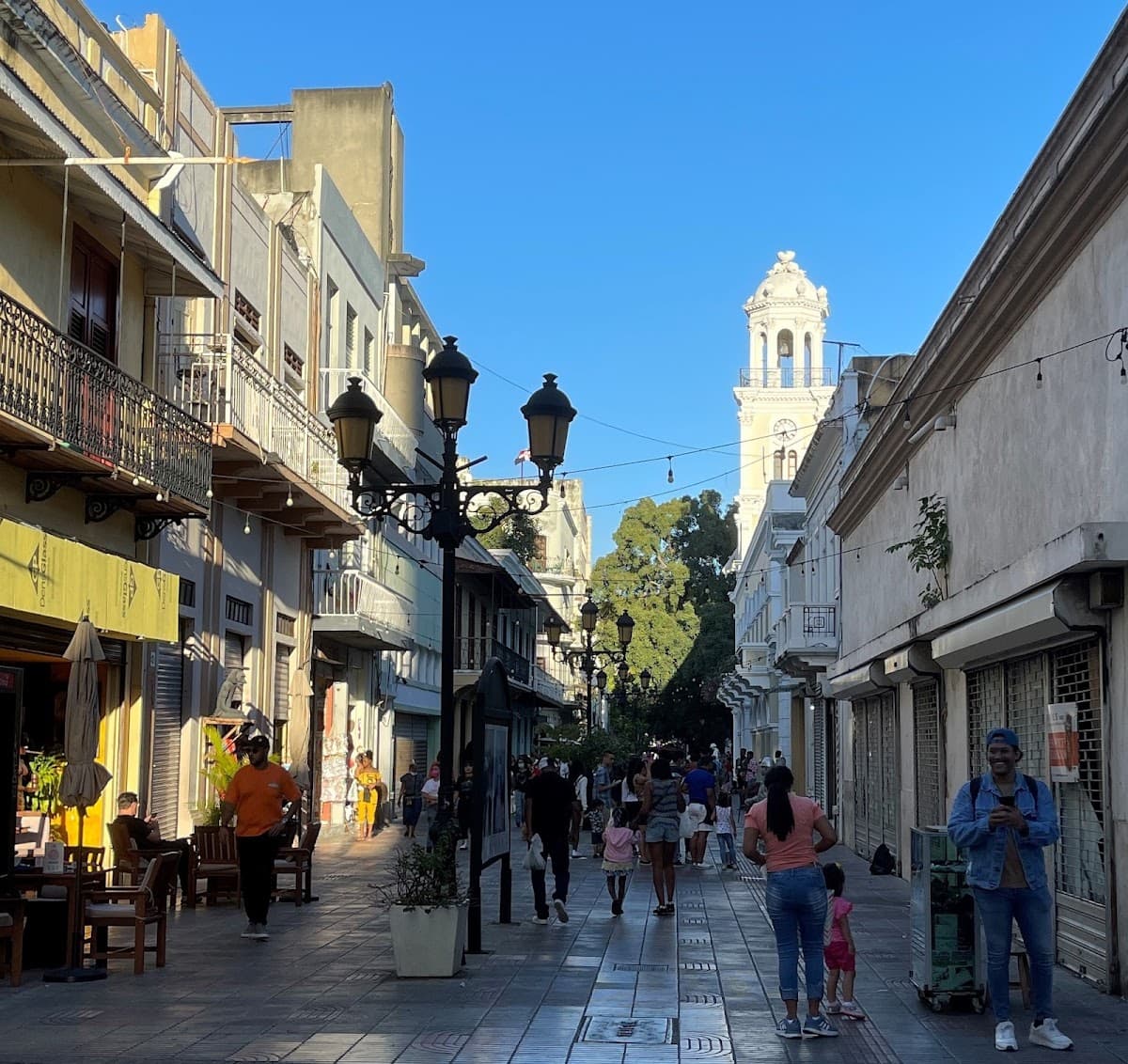
If you're visiting during peak season and want to combine whale watching with other Dominican activities—exploring the Zona Colonial, relaxing on beaches, or sampling local cuisine—you can easily craft an itinerary that includes it all.
Final Thoughts
Whale watching in the Dominican Republic is more than just a tourist activity; it's a profound connection with nature. The sight of a humpback whale gliding through the Caribbean waters will stay with you long after your trip ends. Whether you're a seasoned naturalist or a first-time whale watcher, the Dominican Republic promises an experience you'll never forget.
Plan your whale-watching adventure today and discover why thousands of visitors return to the Dominican Republic each year for this extraordinary encounter.
Planifica tu viaje a República Dominicana
Tours, traslados y excursiones con operadores locales verificados. Cancelación gratis.